
Collective Processing Built Around Shared Experience
Survivors' group therapy in Phoenix for trauma survivors seeking structured peer support and a facilitated space for recovery
Recovering from trauma can sometimes feel isolating, especially when individuals struggle to share their experiences with others who may not fully understand what they have been through. Trauma survivors group therapy at Arcadia Counseling Center provides a supportive environment where individuals can connect with others who have experienced similar challenges. Through shared experiences and guided discussions, participants may develop a greater sense of understanding, connection, and emotional support. Group therapy offers a different experience from individual counseling by allowing participants to learn from one another while working toward personal healing and recovery.
Group sessions are facilitated by a mental health professional who helps create a respectful, supportive environment where participants can explore their experiences at a comfortable pace. Depending on the group's structure and goals, sessions may focus on developing coping skills, managing emotional responses, building trust, and strengthening interpersonal relationships. Participants are encouraged to share at a level that feels appropriate for them, recognizing that trauma recovery is a personal process. At Arcadia Counseling Center in Phoenix, group therapy provides an opportunity to build connections, reduce feelings of isolation, and develop practical strategies for emotional well-being.
To learn more about trauma survivors group therapy, current group availability, or what to expect during the intake process, contact Arcadia Counseling Center in Phoenix at (602) 218-6901 to schedule an initial consultation.
Why Group Structure Matters in Trauma Recovery
Trauma can affect how individuals connect with others, making it difficult to trust, open up, or feel safe sharing personal experiences. Group therapy provides an opportunity to rebuild these connections in a supportive environment alongside others who understand similar challenges. At Arcadia Counseling Center, trauma survivors group therapy encourages participants to develop trust, strengthen communication, and explore their experiences at a comfortable pace. Sessions are guided by a mental health professional who helps maintain a respectful and supportive setting where participants can feel heard and understood.
As group therapy progresses, participants may begin to feel more comfortable sharing their experiences and connecting with others. Hearing different perspectives and recognizing shared challenges can help reduce feelings of isolation, shame, or self-blame. Over time, individuals may develop greater confidence in expressing emotions, setting boundaries, and building healthier relationships. While each person's recovery journey is different, group therapy offers opportunities for meaningful connection, emotional growth, and practical coping skills that can extend into everyday life.
Group therapy may be beneficial on its own or alongside individual counseling, depending on each person's needs and treatment goals. At Arcadia Counseling Center in Phoenix, clinicians can help individuals explore whether a trauma survivors group is an appropriate fit for their current stage of recovery. Some clients may benefit from combining group participation with individual therapy, while others may prefer one approach. Treatment recommendations are personalized, with an emphasis on emotional safety, individual readiness, and providing the support that best aligns with each client's recovery goals.
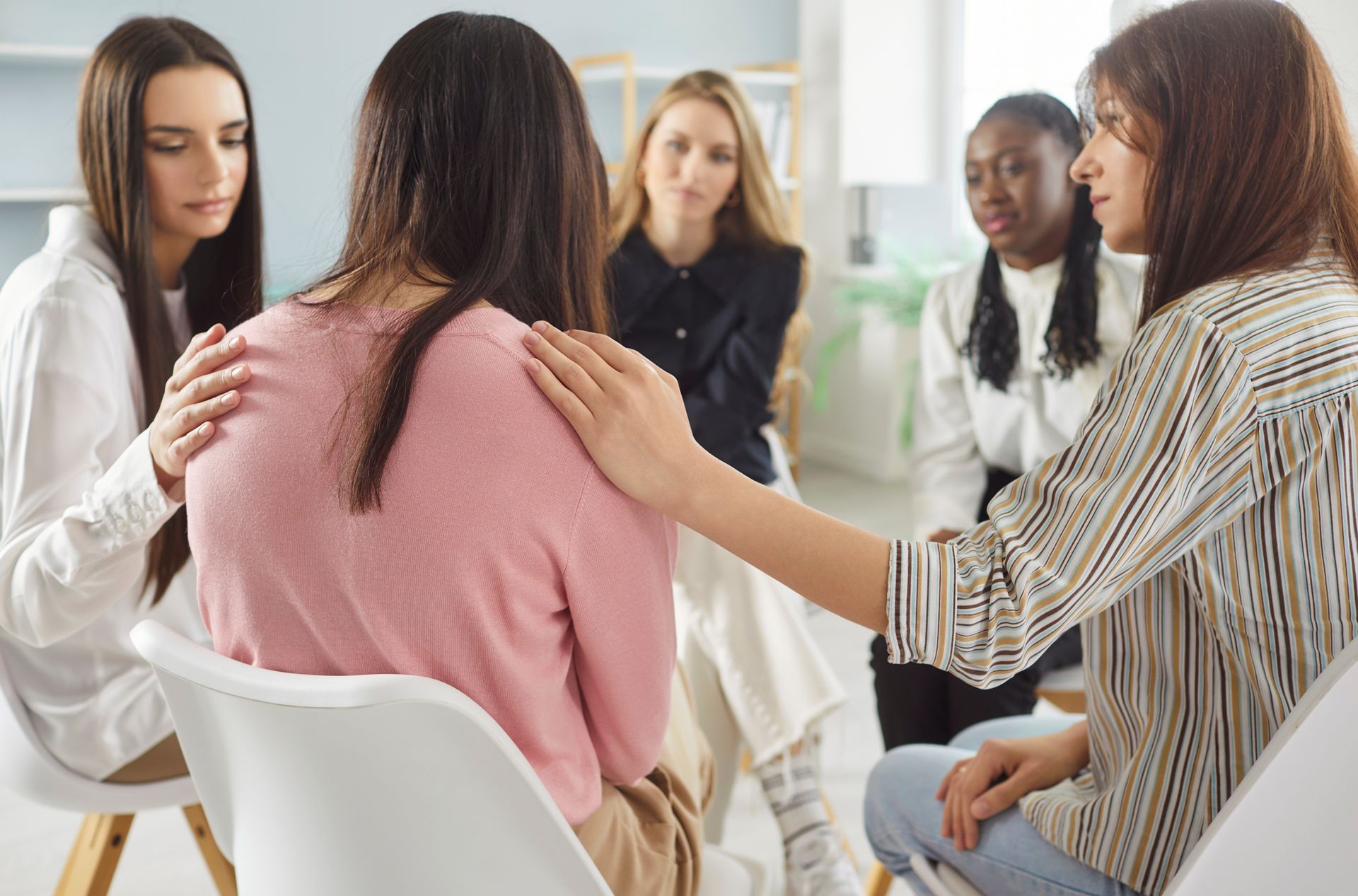
The following questions address the structure of survivors' group therapy, what participants can expect during sessions, and how this format functions as a clinical intervention rather than informal peer support.
How is a facilitated survivors' group different from a peer support group?
A facilitated group includes a trained clinician who directs the session, manages group dynamics, and provides clinical grounding for trauma processing—rather than leaving the direction and safety management entirely to participants.
What happens during a typical group session at Arcadia Counseling Center?
Sessions are structured to balance individual sharing with collective processing, and the clinician actively shapes how material is introduced and worked through to maintain a productive and safe therapeutic environment.
How does trauma processing in a group setting work when each person's experience is different?
Shared trauma processing works across different trauma types because what participants have in common is less the specific event than the patterns it produced—around safety, disclosure, trust, and self-perception—and those patterns respond to collective work regardless of the source.
What should someone new to group therapy expect during the first few sessions?
The initial sessions involve acclimating to the group environment and its norms, which takes time; the relational work that makes group therapy effective tends to build as trust within the group develops over consecutive sessions.
How does the clinician maintain the safety of the group when difficult material comes up?
The facilitator uses structured techniques to keep processing contained and appropriately paced, which prevents sessions from becoming retraumatizing rather than therapeutic—a distinction that matters significantly in trauma-focused group work.
Questions About How Group Therapy Works
Arcadia Counseling Center welcomes inquiries from Phoenix-area trauma survivors who want to understand whether group therapy is the right format for their current recovery needs—an initial conversation can clarify how the group is structured and what participation involves before any commitment is made.